Progressive Architecture Concepts: Exploring the Value of Skilled Architecture Services
Groundbreaking design approaches are instrumental in shaping urban settings. Through emphasizing sustainability and functionality, building professionals can develop environments that resonate with local requirements. Incorporating eco-conscious resources and smart solutions boosts sustainable outcomes while encouraging community engagement. As these designs evolve, they adapt to occupant demands and embrace cultural traditions. The question remains: in what ways do these factors combine to revolutionize our metropolitan spaces and improve quality of life?
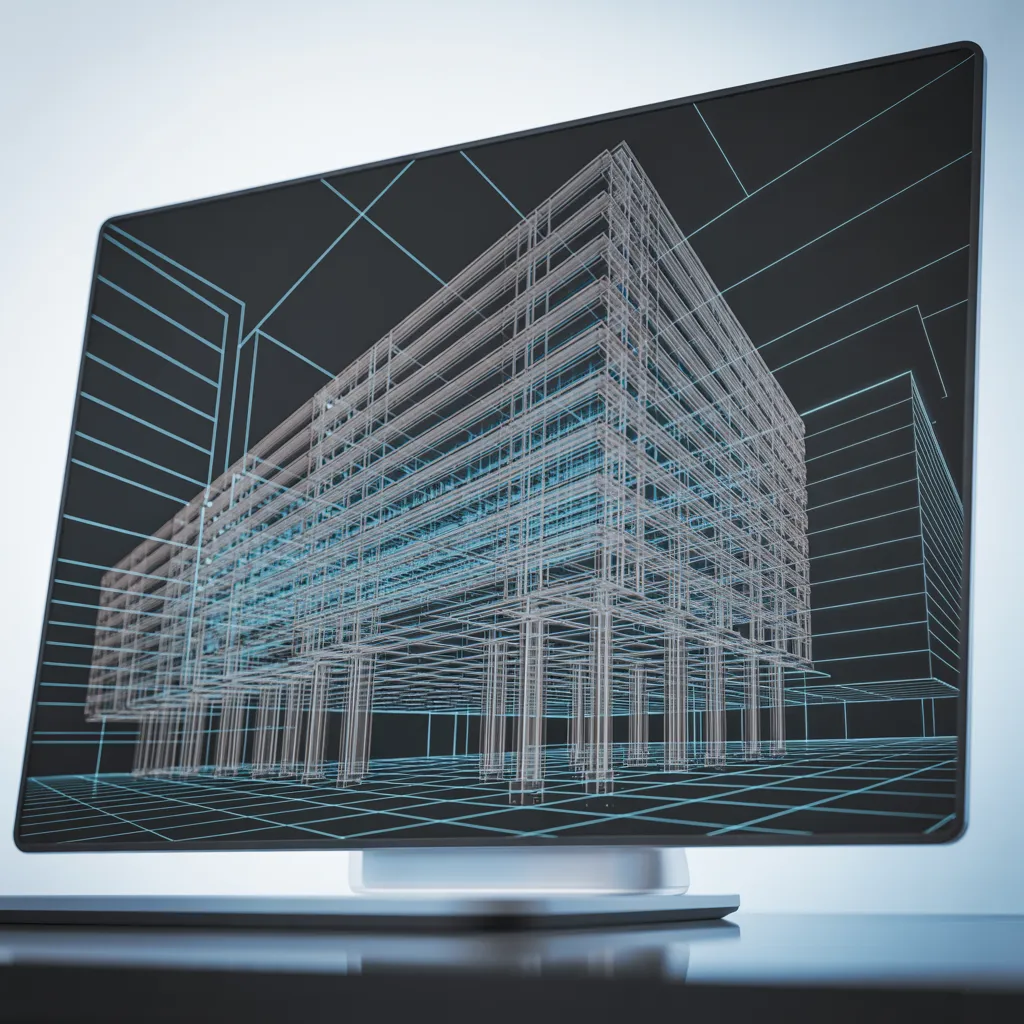
The Role of Architects in Creating Sustainable Spaces
Architects hold an essential role in the development of sustainable spaces, significantly influencing the ecological footprint of built environments. Their skills facilitate the inclusion of green building materials, low-energy systems, and forward-thinking design approaches that reduce resource use. Through a focus on sustainability, architects are able to develop structures that reduce carbon footprints and improve energy efficiency.
Collaboration with engineers and sustainability experts is crucial in this undertaking, guaranteeing that designs meet both aesthetic and functional criteria while maintaining eco-friendly standards. Furthermore, architects consider the surrounding ecosystem, encouraging biodiversity and integrating natural features that foster a harmonious relationship between built and natural environments.
With careful consideration, architects promote the use of clean energy alternatives, such as wind or solar energy, which further reinforces sustainable objectives. Ultimately, their responsibilities reach far beyond building; architects define the evolution of urban spaces by nurturing a focus on environmental stewardship and responsible design.
Key Innovations in Architectural Design That Improve Functionality
Numerous innovations in architectural design are reshaping the way modern spaces function. One prominent advancement is the incorporation of intelligent technology, empowering spaces to adjust to the preferences of their occupants through automated lighting, climate control, and security systems. This improvement leads to greater energy savings and enhanced occupant comfort.
Additionally, modular construction techniques are gaining traction, allowing for quicker assembly and enhanced design flexibility. These structures can be easily reconfigured or expanded, rendering them ideal for a wide range of applications.
The concept of biophilic design, which incorporates natural elements into building design, supports well-being and productivity, nurturing a connection between building users and the spaces they inhabit.
In addition, open floor plans continue to gain popularity, allowing for versatile spaces that can accommodate different activities.
Additionally, green materials are being incorporated not only for their eco-friendliness but also for their attractive appearance and resilience, improving the overall performance of contemporary buildings. Collectively, these developments result in more versatile and optimized architectural outcomes.
How Design Connects Communities
Design holds significant importance in nurturing connections within consult now communities, developing settings that promote interaction and communication among inhabitants. Thoughtfully designed recreational areas, public squares, and communal areas act as essential meeting points, fostering public participation and a feeling of community. Design elements such as flexible arrangements and versatile areas create avenues for community events and activities, improving the collective living experience.
Furthermore, designs that incorporate regional culture and history create a distinctive sense of identity, enabling residents to develop a stronger connection to their environment. By prioritizing accessibility and inclusivity, architects ensure that every person, regardless of age or physical ability, can participate in community life.
The incorporation of natural features, such as parks and leisure spaces, greatly enhances the communal living experience, providing residents with a refuge and a place for shared enjoyment. At its core, deliberate architectural design not only transforms physical spaces but also strengthens the bonds that hold communities together.
Enhancing Energy Efficiency With Professional Architecture
A significant shift toward sustainable energy use is revolutionizing the architectural landscape, driving the development of innovative solutions that reduce ecological footprint. Expert architecture services have a critical part in this change by integrating sustainable practices into their designs. These architecture specialists evaluate patterns of energy use and apply cutting-edge materials, such as superior insulation systems and high-performance glazing, to decrease heating and cooling demands.
In addition, the integration of sustainable energy solutions, like solar installations and geothermal technologies, not only decreases fossil fuel consumption but also lowers overhead expenses for building owners. Smart building technologies additionally improve building energy efficiency, facilitating real-time monitoring and adjustments to energy use.
Through detailed planning and forward-thinking design, skilled architects design spaces which not only adhere to rigorous environmental standards but also foster long-term sustainability. This commitment to energy efficiency ultimately leads to a greener planet and more robust communities, highlighting the essential role of architecture in combating climate change.
Impressive Urban Landscape Redesigns
One notable example is the rejuvenation of neglected waterfronts into thriving community spaces, equipped with walking paths, parks, and cultural installations. Such developments do more than improve the scenery, as they also invigorate local economies by attracting visitors and businesses.
Furthermore, effective urban design takes into account the particular features of a district, ensuring that each transformation reflects its history and identity. This customized strategy encourages a sense of belonging among residents, motivating responsible management of the space. In the end, successful urban landscape transformations demonstrate the potential of design to redefine city living and advance sustainable urban development.
Where Is Innovative Architecture Headed?
How can innovative architecture continue to adapt and respond to the evolving needs of society? As cities become progressively more complex, architects are called upon to confront significant challenges like sustainability, affordability, and social equity. Cutting-edge technologies, such as artificial intelligence and advanced materials, present fresh opportunities for design, facilitating more streamlined construction methods and improved energy efficiency.
Furthermore, architects are increasingly collaborating with a wide range of stakeholders, from local residents to ecology specialists, guaranteeing that plans embody the priorities and requirements of the people they serve. Such an inclusive strategy promotes resilience, enabling buildings to respond to shifting climatic factors and social requirements.
Moreover, the adoption of biophilic design principles promotes well-being, connecting inhabitants with nature. As the architectural profession progresses, the emphasis on creative solutions will remain a top priority, propelling the industry to develop areas that are functional while also being transformative for the generations ahead.
Questions We Often Receive
In What Ways Do Architects Collaborate With Engineers on Projects?
Engineers and architects work together by combining design principles with technical specifications, ensuring structural integrity and functionality. Frequent meetings enhance communication, allowing both disciplines to address challenges and enhance project outcomes through shared expertise and innovative solutions.
What Are the Fees Associated With Hiring an Architect?
The expenses involved in engaging an architect commonly consist of design fees, project management expenses, and potential additional charges for site visits or consultations. These fees can fluctuate substantially based on project complexity and location.
How Much Time Does the Architectural Design Process Usually Take?
The architectural design process typically takes several months, subject to project complexity and client requirements. Considerations like permits, revisions, and contractor coordination can further impact the total project duration, frequently prolonging the timeframe significantly.
Can Architects Help With Zoning and Permit Applications?
Indeed, architects provide assistance with zoning regulations and permit submissions. Their professional skills help address intricate zoning regulations and establishes adherence to local building codes, simplifying the overall process and improving the chances of receiving the needed permits for projects.
What Qualifications Should I Consider When Choosing an Architect?
When selecting an architect, you should consider qualifications such as licensing, education, experience in related projects, strong communication skills, and a portfolio demonstrating creativity and problem-solving ability. Relevant specializations should also be considered according to the requirements of your project.