Transform Your Home With Professional Architectural Design Support
Upgrading a home through expert design solutions involves more than just appearance. It requires a deep grasp of practical layout and area construction standards. Partnering with an experienced architect can tackle common challenges while enhancing property worth. The process is methodical and thorough, assuring that every detail matches with the homeowner's objectives. Yet, many homeowners have difficulty corresponding information to traverse this journey productively. What steps can they take to obtain a successful partnership?
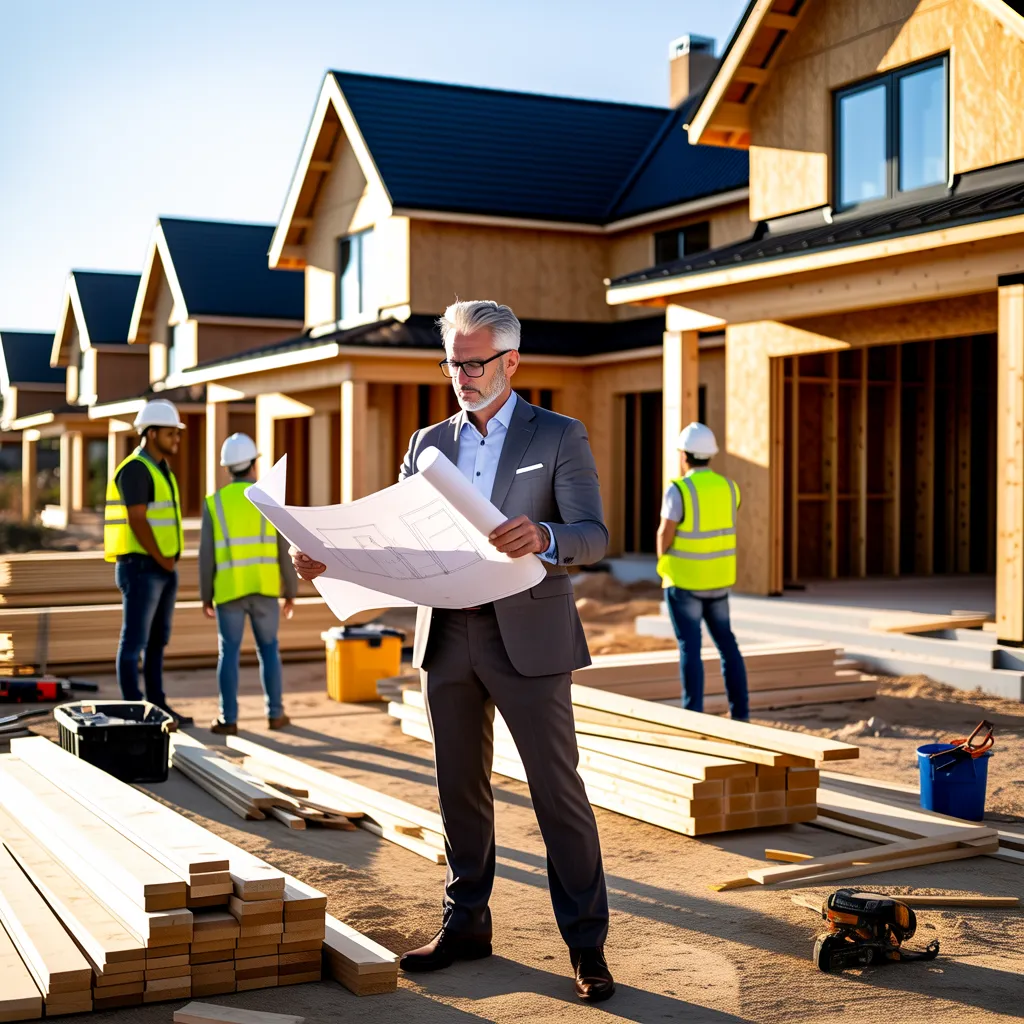
Standard Home Design Snags and Methods Architects Address Them
Why is home design so demanding for numerous homeowners? The challenge of aligning aesthetic choices with practical needs often exhausts them. Homeowners routinely deal with space limitations, budget restrictions, and regulatory standards, making the design process more complex. Additionally, many are short of the technical knowledge required to tackle structural issues and building codes.
Architects execute an indispensable role in alleviating these complications. Their instruction prepares them to navigate the complexities of planning, confirming that a occupant's vision matches with realistic facts. Architects can present creative answers to improve space while adhering to safety norms. They also assist in creating cohesive designs that illustrate the homeowner's manner. By communicating understanding into substances and construction methods, architects support expedite the decision-making activity. Ultimately, their skill converts a seemingly intimidating endeavor into a cooperative undertaking, fostering a harmonious balance between creativity and usefulness in home design.
Benefits of Partnering With a Professional Architect
Partnering with a professional architect strengthens the home design experience by integrating expert knowledge with the owner's dreams. Architects offer a extensive background in design principles, construction guidelines, and environmental practices, guaranteeing that the project not only satisfies visual aspirations but also complies with compliance requirements. Their talent for conceptualizing and explain multifaceted thoughts supports adapting abstract concepts into tangible designs.
Furthermore, architects can offer creative approaches to spatial challenges, optimizing layout and functionality. They also oversee the complexities of the building phase, collaborating with contractors and suppliers to ensure schedules and finances are adhered to. This professional oversight reduces potential errors and decreases the pressure linked to home building or renovation. Ultimately, collaborating with an architect results in a thoughtfully crafted, unified space that embodies the homeowner's personality while enhancing overall property value.
What Comprise the Vital Steps in the Architectural Process?
What is the way the architectural process progresses from initial idea to finish? The progression begins with an first meeting, where the architect and client discuss goals, requirements, and budget. This stage is important for creating a clear vision. Subsequently, the architect performs site analysis, examining factors like topography, climate, and local codes.
Following this, the design phase commences. Here, sketches and digital models are created, enabling the client to visualize the project. Once the design is finalized, the architect creates detailed construction documents, containing specifications and drawings.
With necessary permits obtained, the project enters the building stage. The architect regularly collaborates with contractors to guarantee that the plan is executed correctly. Frequent on-site inspections and evaluations help maintain standards and adherence to the original vision. Finally, the project culminates in a inspection, confirming that the finished structure satisfies the client's expectations before the official handover.
How Can You Discover the Right Architect for Your Home?
Discovering the right architect for your home requires thoughtful thought and study. Prospective homeowners should commence by identifying their specific needs and spending limit, which will direct their quest. Advice from friends, family, or real estate specialists can deliver valuable opportunities. Web-based portfolios and reviews support examining an designer's prior accomplishments and customer satisfaction.
Next, interested parties should consult with multiple prospects to assess their communication style, background, and design methodology. It's vital to address project timelines and client expectations to ensure alignment. Moreover, verifying credentials and reviewing proper licensing and credentials can prevent potential issues down the line.
Ultimately, homeowners should listen to their intuition. The best architect should not only display the essential skills but also complement the homeowner's aspirations and values. This partnership establishes a collaborative environment, in the end producing a strong collaboration in developing a perfect residence.
Strategies for Conveying Your Objectives Efficiently
Transmitting a vision for home design proficiently is essential for a productive partnership between property owners and architects. To realize this, property owners should begin by clearly specifying their requirements and preferences. Assembling a visual collection with images, colors, and materials can help transmitting aesthetic desires. Additionally, outlining practical requirements, such as space allocation and layout, ensures that the specialist appreciates practical components.
Property owners should also participate in frank discussion, encouraging questions and feedback to improve their vision. Regular check-ins throughout the planning phase encourage collaboration and transparency. Using straightforward language to convey ideas and concerns can prevent misunderstandings and help align goals.
To summarize, valuing the architect's expertise allows for a more dynamic exchange of ideas. By integrating personal vision with professional insight, homeowners can nurture a positive rapport that delivers a beautifully designed space reflecting their aspirations.
Approach to Managing costs for Architecture Services
While starting a home design project, establishing a budget for architecture services is essential to avoid financial strain later. Homeowners should begin by investigating typical fees in their area, which can vary based on the project's complexity and the architect's experience. It is advisable to allocate a percentage of the overall project cost specifically for architectural services, typically ranging from 5% to 15%.
Next, prospective customers should review the scope of services demanded—whether they want full design and project oversight or simply preliminary consultations. Participating in open dialogue with prospective architects regarding their fee structures can shed light on pricing.
Additionally, homeowners should account for unexpected expenses and potential revisions, establishing a financial reserve in the budget. By explicitly outlining their monetary limits upfront, customers can ensure they select an design expert who reflects their vision while adhering to their budget constraints.
Often Requested Questions
What Structural Forms Should I Decide On for My Home?
Homeowners are able to opt for from numerous architectural styles, featuring modern, traditional, colonial, Mediterranean, and contemporary. Each style offers unique aesthetics and functionality, allowing individuals to convey personal taste while factoring in regional influences and environmental factors.
What Duration Does the Building Design Process Usually Demand?
The design process typically demands several months, depending on project complexity, design approvals, and local regulations. Components such as client feedback and construction schedules can also influence the timeline greatly throughout the process.
Can Design specialists Lend expertise To Sustainable Design Alternatives?
Architects can certainly help sustainable design options. They integrate environmentally responsible materials, efficient energy systems, and innovative layouts, ensuring projects minimize environmental impact while enhancing functionality and aesthetic appeal, matching with clients' sustainability goals effectively.
What Credentials Should I Find in an Design Professional?
When selecting an architect, one should evaluate their academic background, professional credentials, expertise with similar undertakings, collection demonstrating their aesthetic approach, and knowledge of local building codes. Communication skills and client testimonials also play vital roles in the decision-making process.
How Do Architects Manage Zoning and Permit Challenges?
Architects handle zoning and permit issues by conducting thorough research on local regulations, assembling required paperwork, and liaising with municipal authorities. Their knowledge guarantees compliance, expediting the permitting timeline for customer developments effectively.